

Some breakthroughs arrive wearing the wrong name tag.
That is the story of Viagra.
Today, most people know Viagra as the famous “little blue pill.” It is tied so closely to erectile dysfunction that it is hard to imagine it was ever meant for anything else. But the story did not begin in the bedroom.
It began with the heart.
In the late 1980s and early 1990s, scientists at Pfizer were studying sildenafil, then known by its research name, UK-92,480. The compound was being explored as a possible treatment for cardiovascular problems, including angina — the chest pain that happens when the heart does not get enough oxygen-rich blood.
The thinking made sense. If sildenafil could relax certain blood vessels and improve blood flow, maybe it could help ease pressure on the heart.
But science has a way of surprising even the smartest people in the room.
A Heart Drug That Did Not Behave Like One
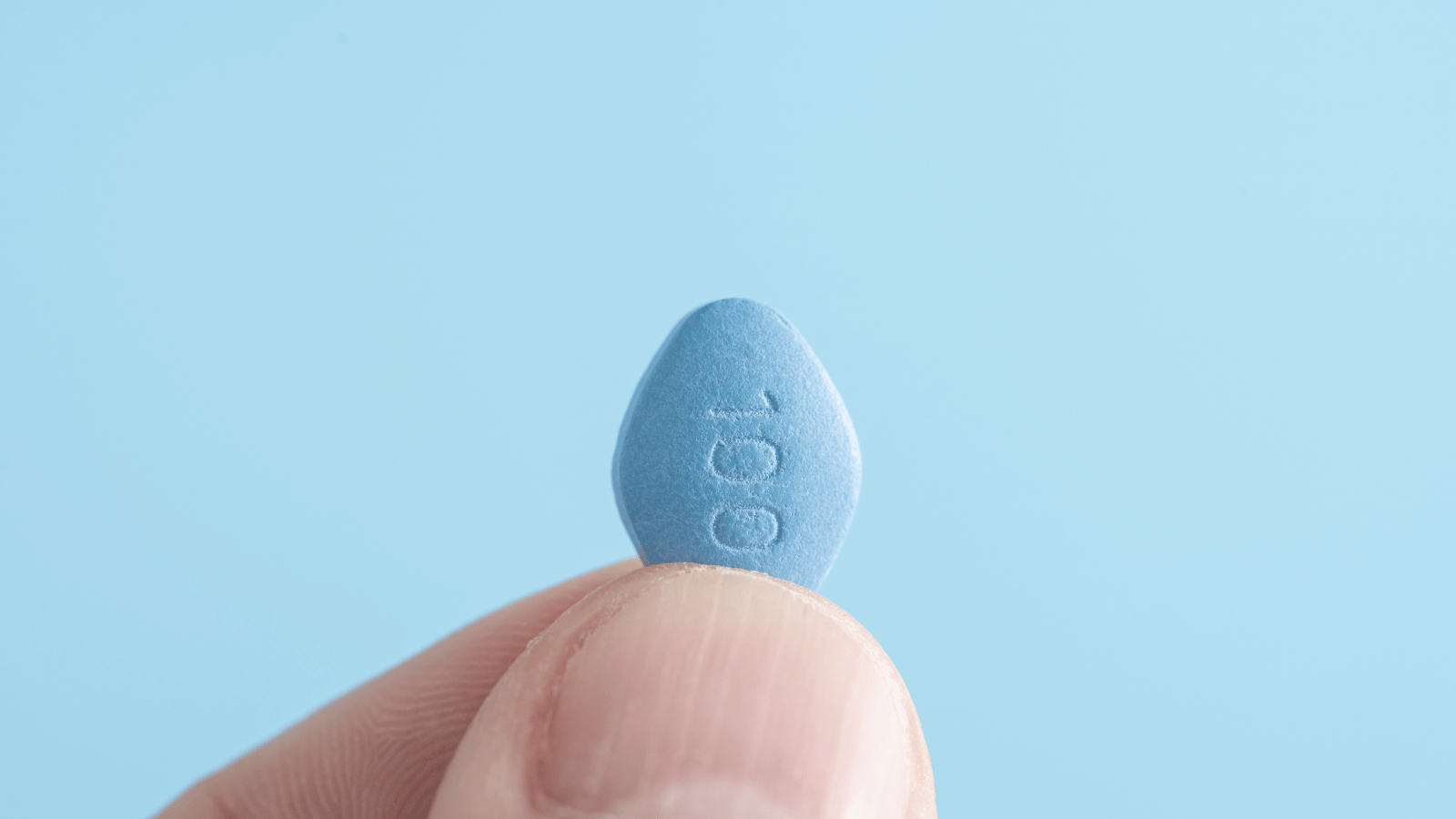
In 1989, sildenafil was first synthesized and tested in Pfizer’s UK laboratories. By 1991, early trials were already showing a problem: as a treatment for coronary heart disease, sildenafil was not especially impressive.
It did not look like the heart breakthrough researchers had hoped for.
But something else was happening.
Some men in the trials began reporting an unusual side effect: stronger erections. At first, this was not the main point of the study. The researchers were not looking for a sexual-health medication. They were studying blood flow and cardiovascular function.
Still, the signal was too interesting to ignore.
The drug seemed to be acting on a pathway involving nitric oxide, smooth muscle relaxation, and blood flow. In simple terms, sildenafil helped support the body’s natural erectile response by improving blood flow into certain tissues during sexual stimulation.
That detail matters. Viagra does not simply “create desire.” It does not work like magic. It supports a physical process that depends on arousal, blood vessels, nerves, and the body’s ability to respond.
That is part of what makes the story so fascinating: a drug created for the heart became famous because of what it revealed about circulation, confidence, and the intimate body.
The Side Effect That Became the Main Story
Once Pfizer realized the potential, sildenafil’s path changed.
Instead of being abandoned as a disappointing heart drug, it was studied more seriously for erectile dysfunction. By 1997, multiple clinical trials had shown its effectiveness in different groups of men.
Then came the historic moment.
On March 27, 1998, the U.S. Food and Drug Administration approved Viagra as the first oral pill for erectile dysfunction. That approval changed medicine, culture, and private conversations in homes around the world.
Before Viagra, many ED treatments were invasive, awkward, or difficult to discuss. Many men simply suffered quietly. Bedroom struggles were often treated as personal failure, something to joke about, hide, or endure.
Viagra changed that.
Almost overnight, erectile dysfunction became something doctors, couples, journalists, and ordinary people could talk about more openly. It gave language to a problem millions of men had been carrying in silence.
The response was massive. In the early days after approval, demand was so high that the little blue pill became both a medical product and a cultural symbol. It was not just about sex. It was about aging, masculinity, confidence, relationships, and the pressure many men feel but rarely admit.
What the Viagra Story Really Teaches Us About Vitality

The deeper lesson of the Viagra story is not “men need a pill.”
The deeper lesson is that vitality is connected.
Blood flow matters. Stress matters. Sleep matters. Energy matters. Confidence matters. The nervous system matters. The state of the heart and blood vessels matters. How someone feels inside their own body matters.
For men, that may show up as performance pressure, low stamina, or quiet frustration.
For women, the experience may look different: low desire, low energy, mood changes, stress, dryness, or feeling disconnected from the body.
Different experiences. Same bigger truth.
Intimacy is not just a bedroom issue. It is a whole-body conversation.
That is why the Viagra story still matters today. Not because every vitality conversation should lead to medication, but because it reminds us that the body often speaks through symptoms we are tempted to hide.
At Uncle Jo, we believe these conversations should be honest, warm, and shame-free.
We are not here to make vitality feel awkward or mysterious. We are here to talk about energy, confidence, intimacy, and body connection in a way that respects both men and women.
Because real vitality is not magic.
It is not just desire.
It is the body, mind, and lifestyle working together — and the more we understand that, the less we have to hide from the conversation.
Viagra’s story reminds us that some of the most important health conversations begin with symptoms we’re afraid to talk about.
At Uncle Jo Living, we’re here to make those conversations easier.
Follow us for more wellness stories, health breakthroughs, and practical insights on vitality, confidence, and healthy living.